
Set 01
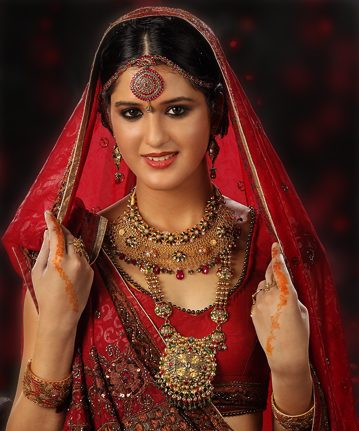
The Kerala Hindu Bride
Mango-mala, mullamottu chain, vanki, kamarbandh, jhumka — 22K, hand-finished.
A bridal commission at Chemmanur is not a purchase. It is a conversation that begins with a photograph of your mother’s wedding, and ends with a lined box and a folio kept on file for life.
From the Kerala-Hindu bride in traditional kasavu and 22K, to the Christian wedding album, to the Mappila bride in mehndi and gold — six recurring commissions, six visual languages.
Mango-mala, mullamottu chain, vanki, kamarbandh, jhumka — 22K, hand-finished.
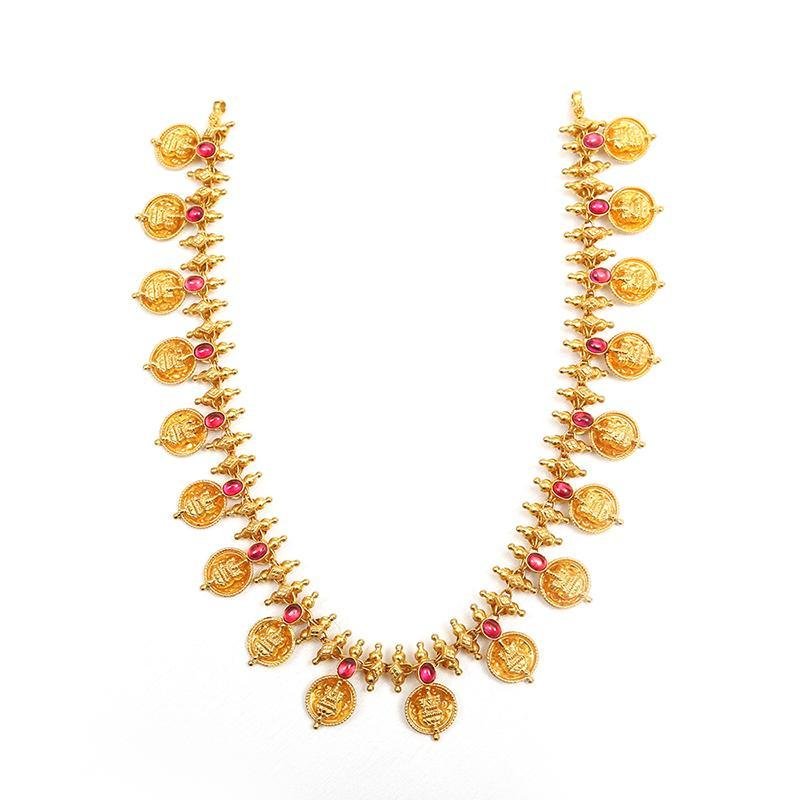
Minnu, manthrakodi-pinned chain, light bangles, solitaire pendant set.
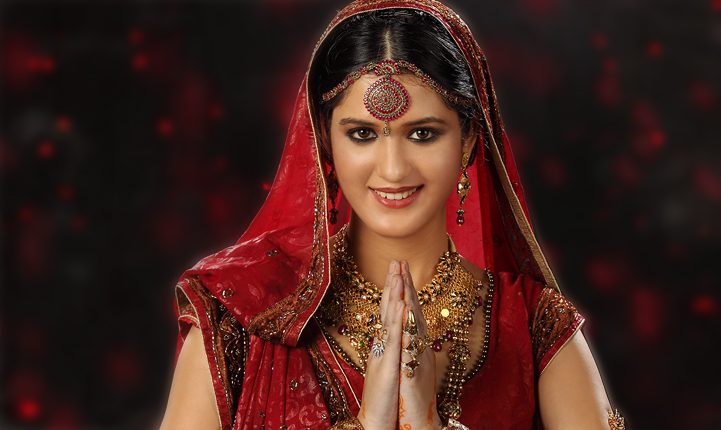
Layered haaram, ear-chains, polki maang-tikka, ornate kamarbandh.
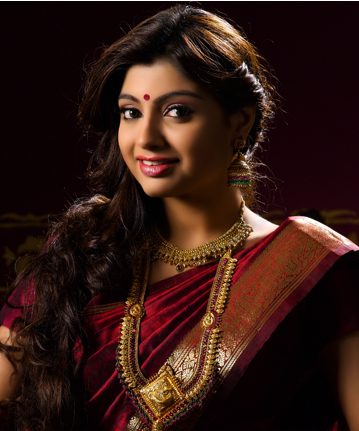
Lakshmi-haaram, oddiyanam, jhumkas with tassels, antique gold finish.
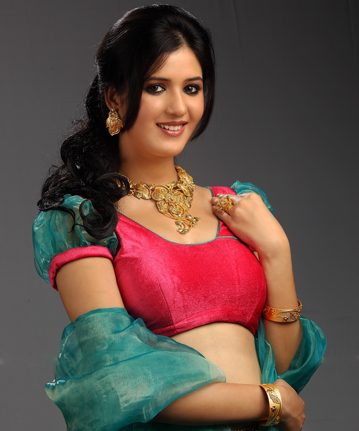
One signature neckpiece, paired studs, a solitaire band. For the bride who wears it again.
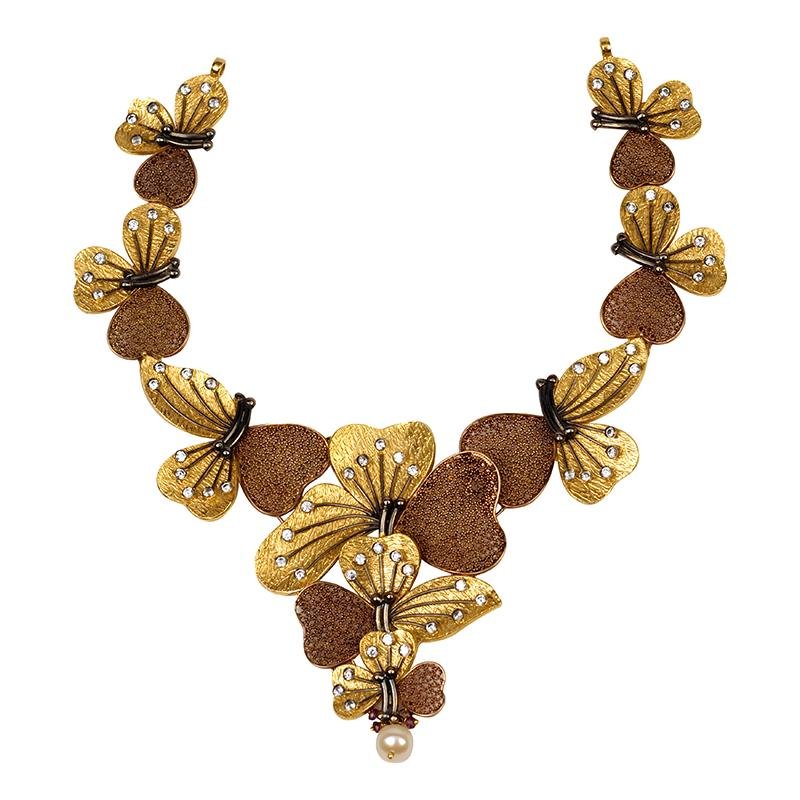
Polki choker, raani-haar, jadau jhumka, maang-tikka, nath ring.
Every bridal commission begins with a sit-down at the Calicut atelier — or at any of fifty doors. Bring photographs from family albums, exhibitions, magazines, Pinterest. The atelier draws, weighs, casts and sets in front of you. The wedding date is the only deadline that matters.
Book your Sit-down
Every gram is BIS-hallmarked. Every stone arrives with one paper. The bridal commission you place at twenty-five will, at sixty-five, fund a granddaughter’s. The folio in the file stays. The house guarantees the gold — not the season.
See the House Promise
My grandmother bought her wedding necklace at Thrissur in 1962. My mother in 1989. I just placed mine at Dubai in 2026. The lined box, the design folio, the bow — identical.
I came with a photograph from my aunt’s wedding in 1978. They sat with me for three afternoons. The necklace came out heavier than the original — same design, denser gold.
The kamarbandh I commissioned for my Mappila wedding still has the design folio at the Kozhikode counter. I went back ten years later to add a baby’s anklet from the same gold.